Herbs vs. Essential Oils
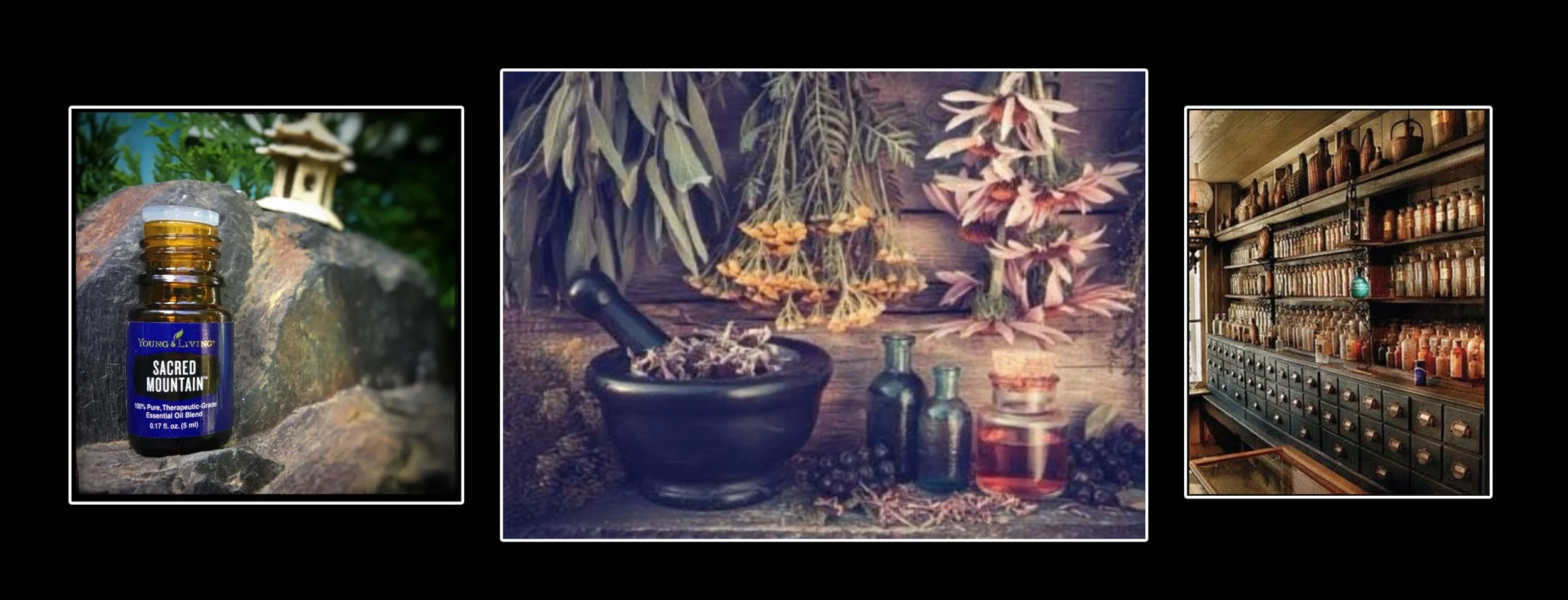
Who doesn’t dream about having an extraordinary apothecary- a place brimming with curious little bottles and vials whose wonders demand exploration? Who doesn’t love the enchantment of flowers and spices, and shelves lined with books and tea – the faint smell of gardens mingled with the passage of time? If you’re saying “Not me,” you are probably in the wrong place.
I remember as a child, wandering wide-eyed in old, historic shops. It wanted to look at everything, to touch everything. I wanted to understand what it all was and what it was used for. I distinctly recall wanting to open every canister and smell their contents, read their labels. I guess I’ve always had a fascination with old things- especially medicines.
When I was in college I found myself wandering the rows of tinctures and supplements at our natural foods store. I wanted so badly to know what they were all for, but those were the days before Google and the library was shockingly silent on the subject. Finally, I was introduced to essential oils, and not only the mesmerizing bottles, but a reference guide to go with it! Needless to say, I was hooked. But I had a lot of learning to do. I knew that essential oils were made from plants, but I didn’t know what part or how. So I took a trip to a distillery and learned how it all works.
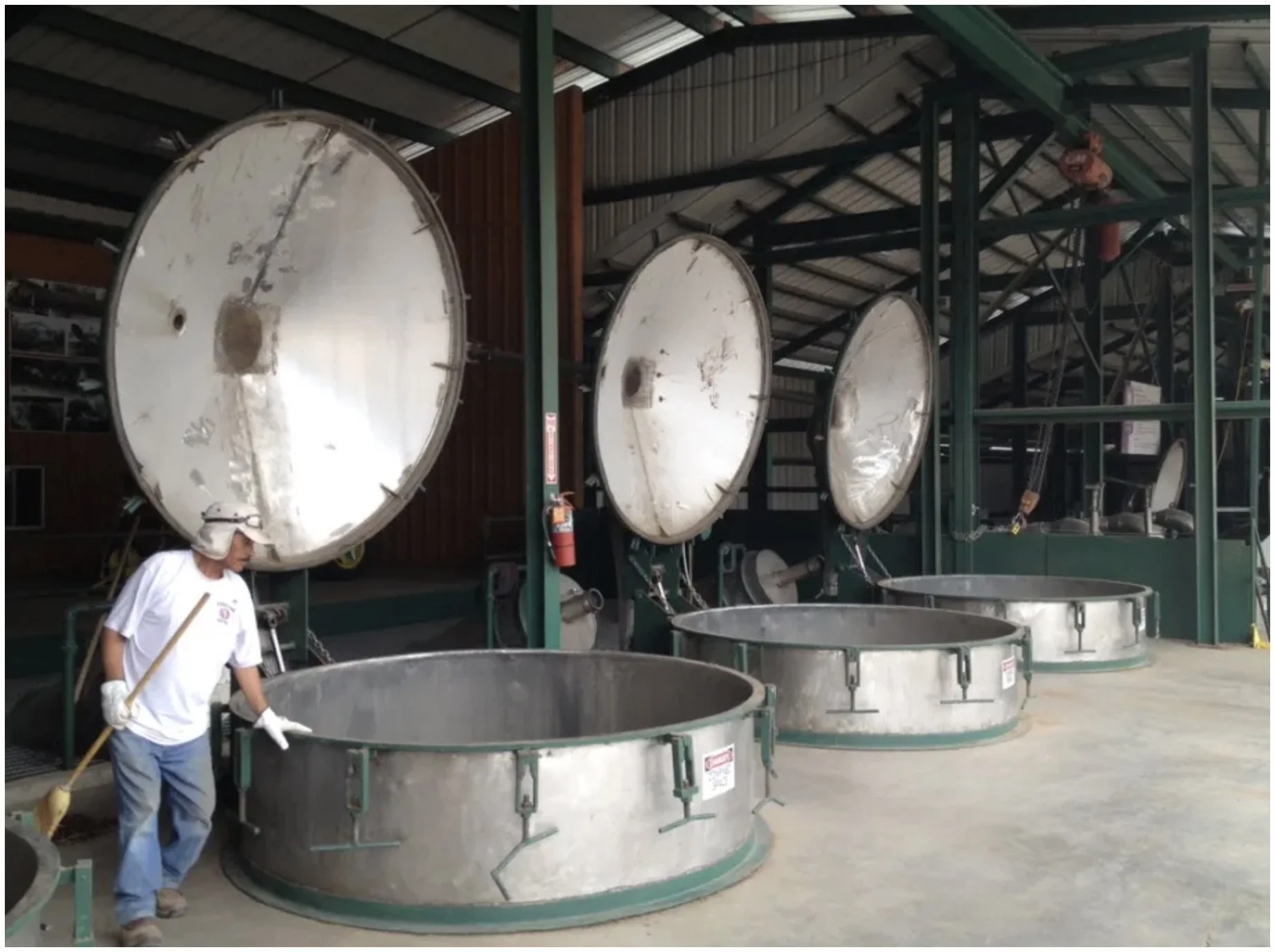
First off, a distillery is nowhere as magical as an old-world apothecary shop. But this is where the magic happens. Without going into too much detail (yawn,) basically the plant material is packed into these cookers. High-pressure steam is pushed through the plant material so that the rising steam is laden with molecules of aromatic oils. It’s a bit like steeping tea, but in the end, the water vapor cools and separates out from the plant molecules. What you have left is pure oil- just the botanical constituents. All water and plant material has been completely separated out.
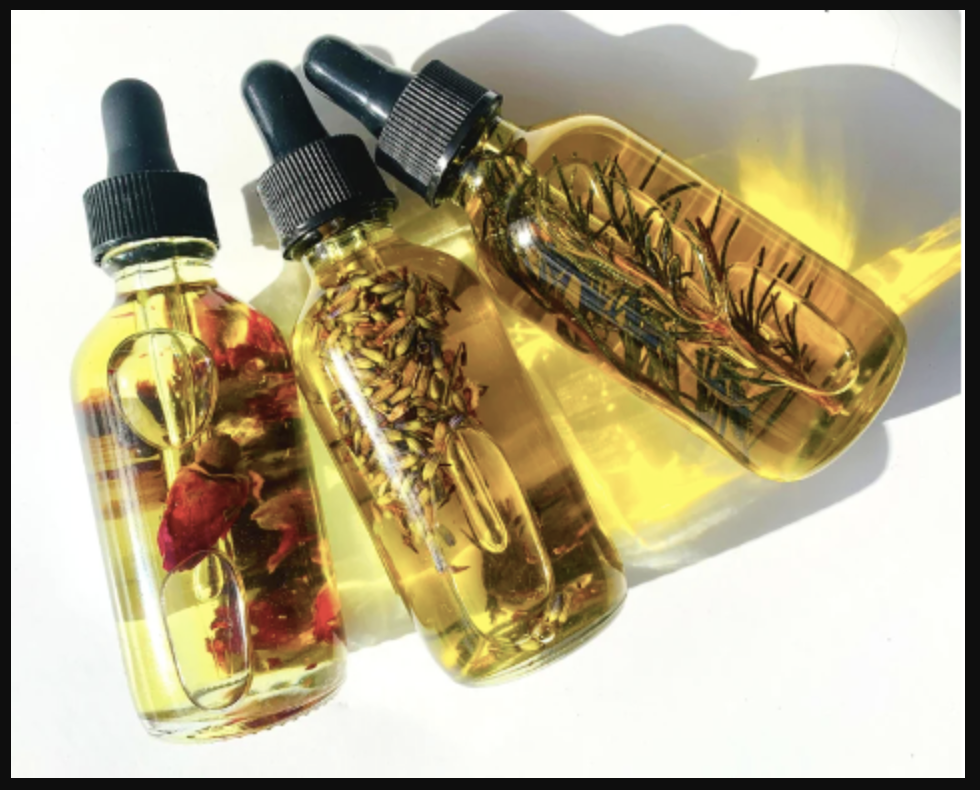
Herbal medicine, by contrast, pulls the medicine out of a plant by way of a menstruum- typically water or alcohol, but sometimes honey, oils or vinegar. Whereas pure essential oils contain zero water, a finished herbal product is mostly menstruum with botanical constituents dissolved into it (and sometimes the plant material as well.)
Of course there are other ways to implement medicinal herbs that do not require extraction, such as culinary uses, compresses and poultices. Generally, herbal medicine is less concentrated, but it also contains different chemical constituents and uses different kinds of plants.
Basically, essential oils can be herbs, but not all herbs can be essential oils. How’s that for confusing? What I mean is, there are plenty of plants that overlap between the herbalist and aromatherapist community, but there are lots more herbs that don’t lend themselves to distillation. Mullein, for example, is a powerhouse for respiratory conditions- every part of the plant can be used medicinally, roots, leaves and flowers. But it gives up its medicine by way of herbalist preparations, not by distillation. In fact, distilling mullein would be a waste – not to mention it has no fragrance.
On the other hand, there are plenty of herbs that make great essential oils AND herbal medicine. Many of our garden herbs are perfect examples- rosemary, basil, oregano, fennel, dill… the list is long. Pretty much any fragrant spice you would add to your cooking, you could also use for herbal preparations or distill as an essential oil.
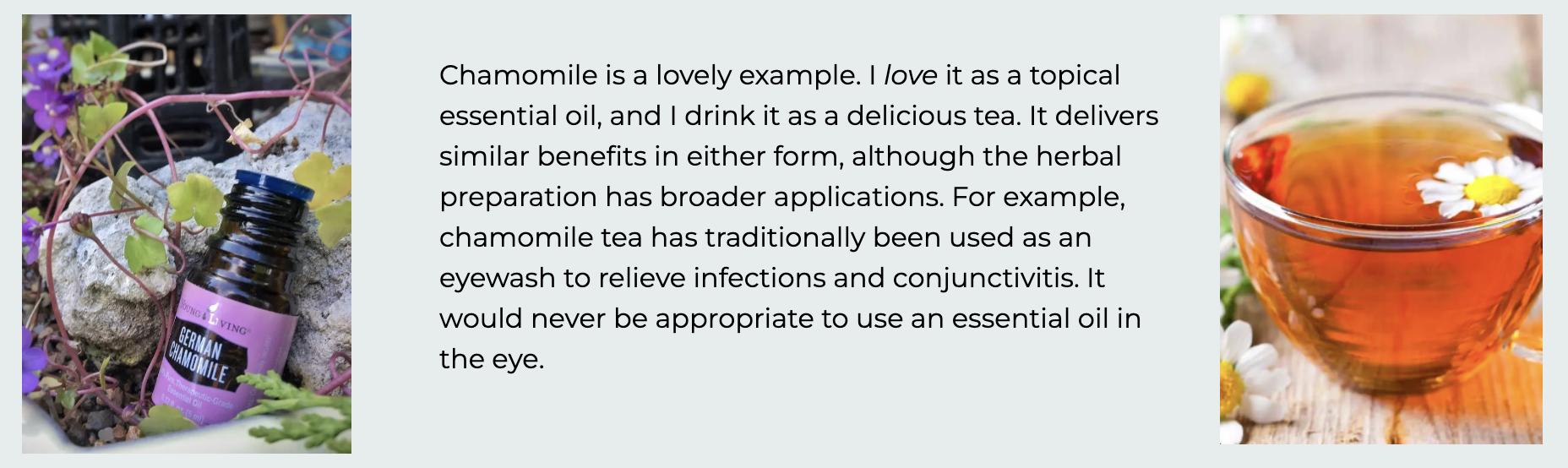
Furthermore, there are herbs that make great essential oils but they have a different chemical makeup when used in herbal medicine. When the plant’s medicine is extracted in herbal preparations, it often contains more beneficial chemicals than in steam distillation, including fatty acids, vitamins and phytonutrients. On the other hand, herbs can take longer to “work” than essential oils because they are gentler in nature. The honest truth is, essential oils are great for some things and herbal remedies are better for others.
I’ll give one example from my personal experience.
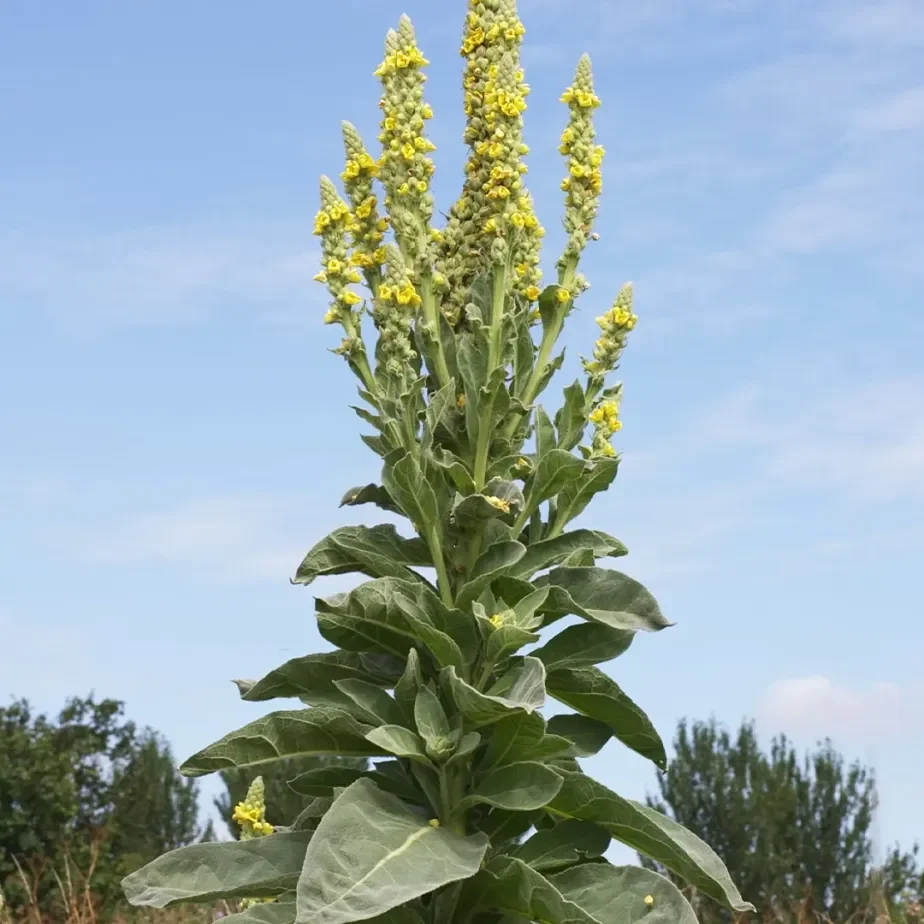
I have used oils for many years, especially during cough and flu season. Certain oils are remarkable for opening up the airways, soothing coughs and sore throats and bringing down temperatures. But I have never really found an oil that stops a cough dead in its tracks. They are extremely helpful and offer tremendous relief, but when I discovered this Mullein blend from Natural Hope Herbals, I was blown away. I had a nagging, persistent cough that felt like an involuntary chest spasm- and it dragged on for weeks. Desperate for relief, I tried herbs and within SECONDS the cough was completely quieted. Any time it started creeping back in, I just took another dropper full, and within two days that cough that had harassed me for weeks was completely gone.
The way I see it, natural wellness is just about learning which medicines to use in which instances.
Herbal remedies are easier to use in public spaces where essential oil aromas may smell overpowering to those around you. Then again, some herbal tinctures taste pretty awful so using them regularly requires discipline and an acquired taste.